The LED program aims at improving food security and strengthening financial inclusion for vulnerable populations, especially women and smallholder farmers. The program focuses on increasing crop yields, improving incomes, and facilitating access to knowledge, sustainable agricultural practices, and vocational skills training. The interventions under LED support farmers, agribusinesses, petty traders, and women-led groups across various communities in the West Mamprusi and Sagnarigu municipal areas.
Livelihood and Economic Development (LED)
─── Program Overview
Livelihood and Economic Development (LED)
Our Key Interventions
Our Impact
Why This Work Matters
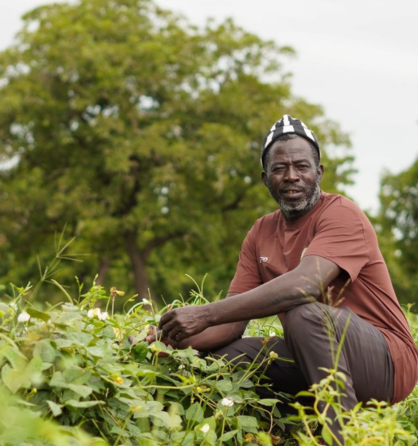
Smallholder farmers and women are among the most economically vulnerable groups in northern Ghana. Limited access to quality seeds, farming inputs, financial services, and modern agricultural knowledge keeps many households in a cycle of low productivity and poverty.
The LED program is essential because it:
- strengthens food security for entire communities
- helps farmers adopt sustainable, climate-resilient agricultural practices
- increases household income through improved yields
- supports women to gain income and independence through vocational skills
- expands financial inclusion for groups traditionally left out of formal banking
- empowers farmers’ groups to work collectively and advocate for better services
By improving livelihoods today, LED lays the foundation for long-term economic stability and resilience.